Italy is not one country but many, each region fiercely proud of its distinct identity, cuisine, and dialect. From the Alpine north to the sun-scorched south, the Italian peninsula offers a diversity of experiences bound together by a shared appreciation for beauty, flavor, and the art of living well.
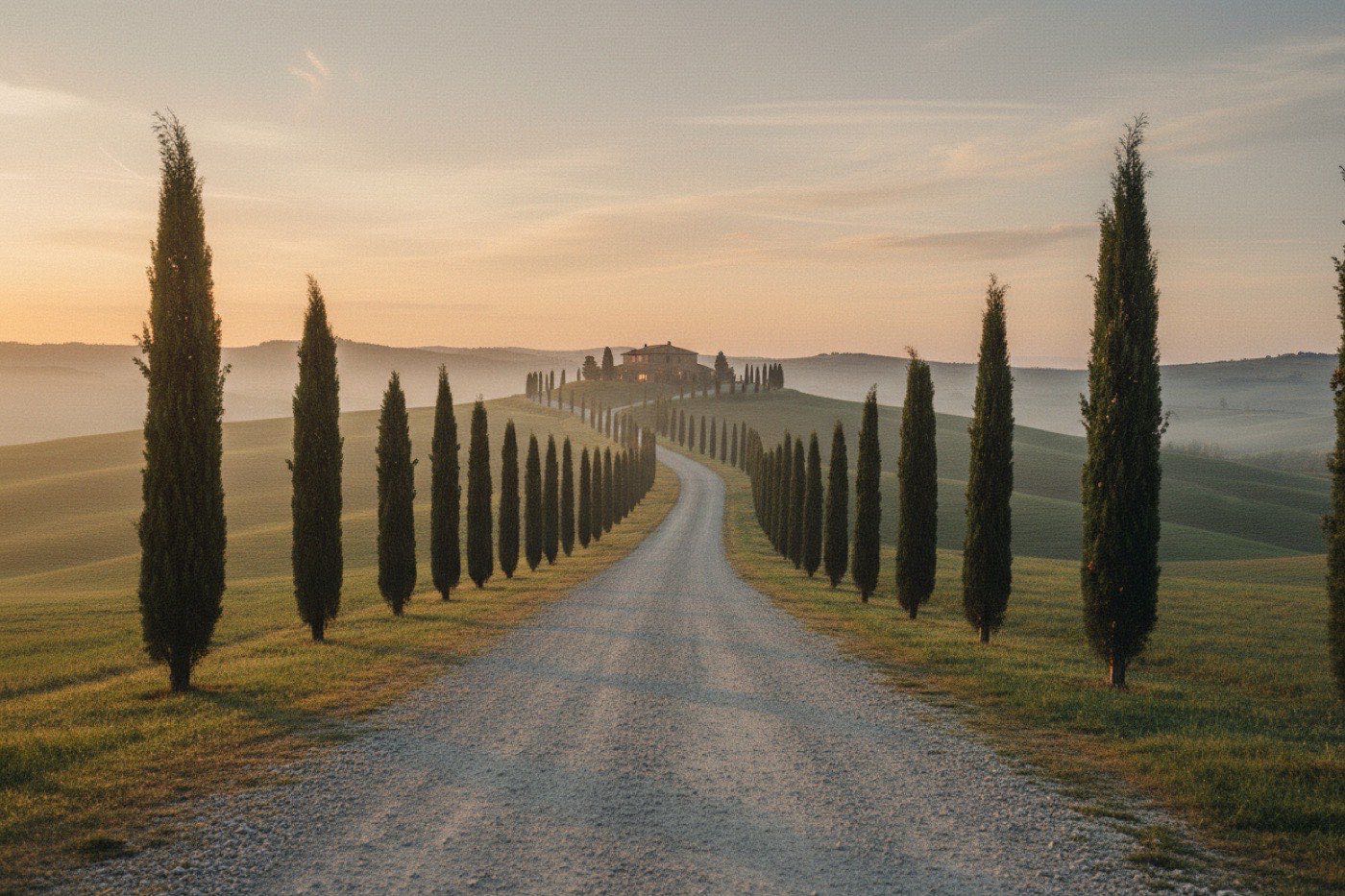
Tuscany embodies the romantic ideal of rural Italy. Rolling hills striped with vineyards and olive groves lead to medieval hill towns where time seems to have paused somewhere in the Renaissance. Florence, the cradle of that cultural rebirth, holds treasures in such abundance that a single visit can barely scratch the surface. The Uffizi Gallery alone could occupy days, while the Duomo's terracotta dome dominates the skyline as it has for six centuries.
Rome is a city where history is not preserved behind glass but lived among. The Colosseum stands as a reminder of imperial power, while the Forum's ruins speak of daily life in the ancient world. Yet Rome is equally a city of Baroque fountains, Renaissance palaces, and neighborhood trattorias where the cacio e pepe is prepared exactly as it should be. To walk through Trastevere at dusk, when the cobblestones glow golden and the scent of wood-fired pizza drifts from open doorways, is to understand why people fall in love with this city.
Venice defies logic, a city built on water that should not exist yet has endured for over a millennium. Beyond the crowds of San Marco, the quieter sestieri reveal a different Venice: washing hung between buildings, local markets where fishmongers sell the morning's catch, small campi where neighbors gather to talk. The lagoon islands—Murano with its glass furnaces, Burano with its lace-makers and painted houses—offer glimpses of traditional crafts still practiced.
The south presents yet another Italy. The Amalfi Coast's dramatic cliffs plunge into impossibly blue water, while towns like Positano cling to the slopes in defiant beauty. Sicily, the Mediterranean's largest island, bears the marks of every civilization that has passed through: Greek temples at Agrigento, Arab-Norman architecture in Palermo, Baroque towns rebuilt after earthquakes. The food here is bold and sun-ripened, from arancini to cannoli, each dish telling a story of cultural fusion.
Italian food is regional to the point of obsession. What is considered authentic in Bologna would be dismissed in Naples. Pasta shapes have specific purposes, sauces have proper pairings, and the idea of adding cream to carbonara is met with genuine distress. This is not pedantry but a deep respect for tradition, for the accumulated wisdom of generations who perfected these dishes through repetition and care.