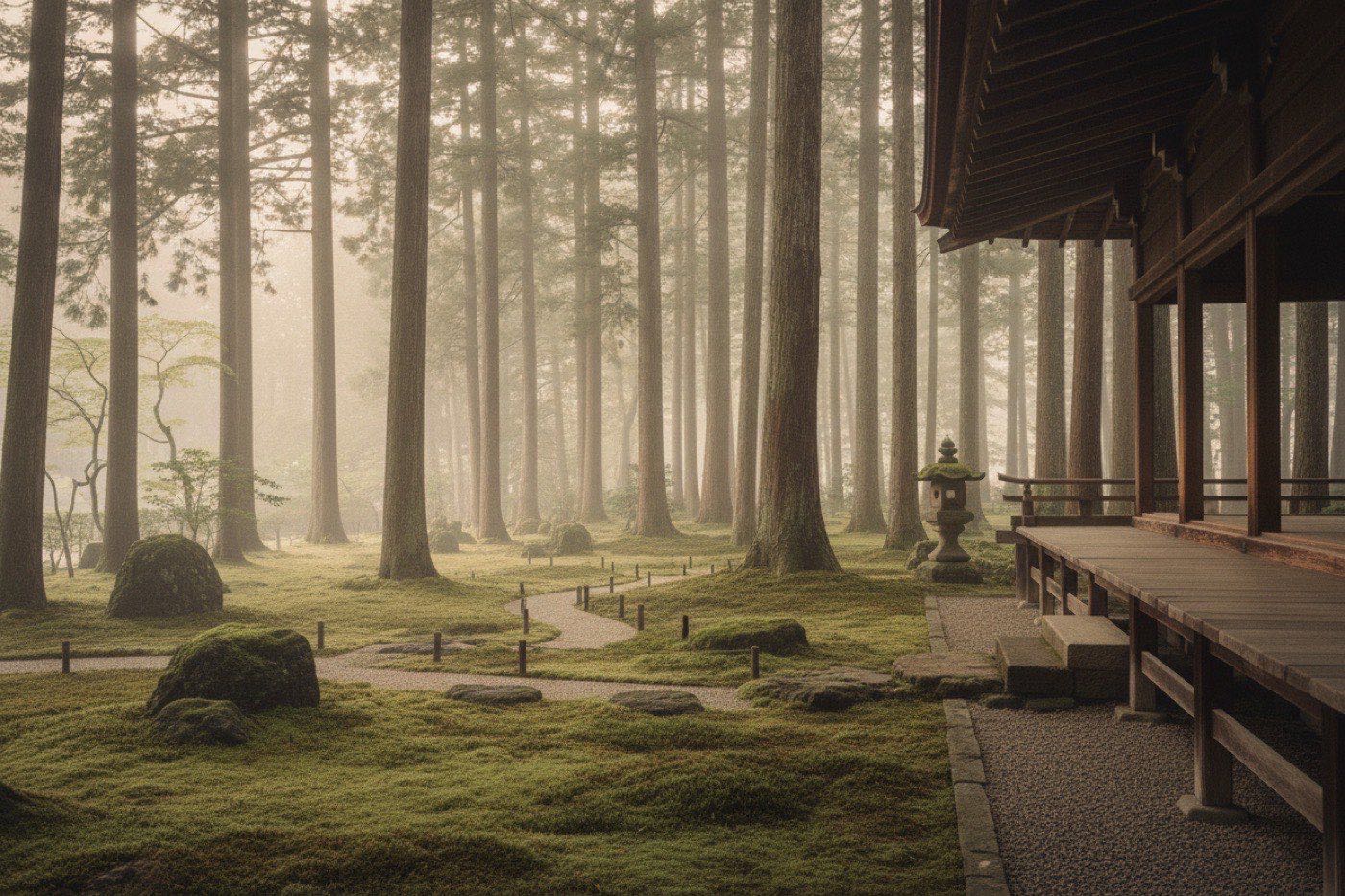
Japan is a country of profound contrasts, where centuries-old shrines sit quietly beside gleaming skyscrapers, and where the ritual of a tea ceremony holds as much cultural weight as the latest technological marvel. To travel through Japan is to experience a nation that honors its past while racing confidently into the future.
Kyoto, the ancient capital, remains the spiritual heart of the country. Here, over 2,000 temples and shrines dot the landscape, their wooden structures weathered by time but meticulously preserved. The Fushimi Inari shrine, with its thousands of vermillion torii gates winding up the mountainside, offers a meditative walk through sacred space. In spring, the Philosopher's Path becomes a tunnel of cherry blossoms, while autumn paints the temple gardens in shades of crimson and gold.
Tokyo, by contrast, is a city of perpetual motion. The Shibuya crossing, where thousands of people cross in choreographed chaos, epitomizes the organized energy of urban Japan. Yet even here, pockets of tranquility exist: the Meiji Shrine's forested grounds, the quiet lanes of Yanaka, the early morning calm of Tsukiji Outer Market where vendors prepare the day's catch with practiced precision.
The Japanese relationship with food is one of reverence. A bowl of ramen is not merely sustenance but a carefully balanced composition of broth, noodles, and toppings, each element considered. Kaiseki dining elevates seasonal ingredients to an art form, presenting them with such beauty that eating almost feels like an intrusion. Even the humble convenience store offers rice balls and bento boxes of surprising quality.
Beyond the cities, the Japanese countryside reveals another dimension. The snow-capped peak of Mount Fuji dominates the horizon, a symbol so iconic it appears on everything from woodblock prints to currency. The Japanese Alps offer hiking trails through pristine forests and hot spring villages where tradition runs deep. The island of Naoshima has transformed itself into an art destination, where contemporary installations sit in dialogue with the Seto Inland Sea.
To travel slowly through Japan is to notice the details: the way a shopkeeper wraps a purchase with care, the seasonal wagashi sweets that mark the passage of time, the public baths where strangers share a moment of communal relaxation. It is a country that rewards patience and observation, revealing its depths gradually to those willing to look beyond the surface.