Portugal occupies a unique position in Europe, both geographically and culturally. Perched on the continent's western edge, it has always looked outward to the sea, its history shaped by exploration and maritime trade. This outward gaze has left the country with a distinctive character: a blend of European tradition and global influences, all infused with a particular Portuguese sensibility called saudade—a bittersweet longing for something lost or unattainable.
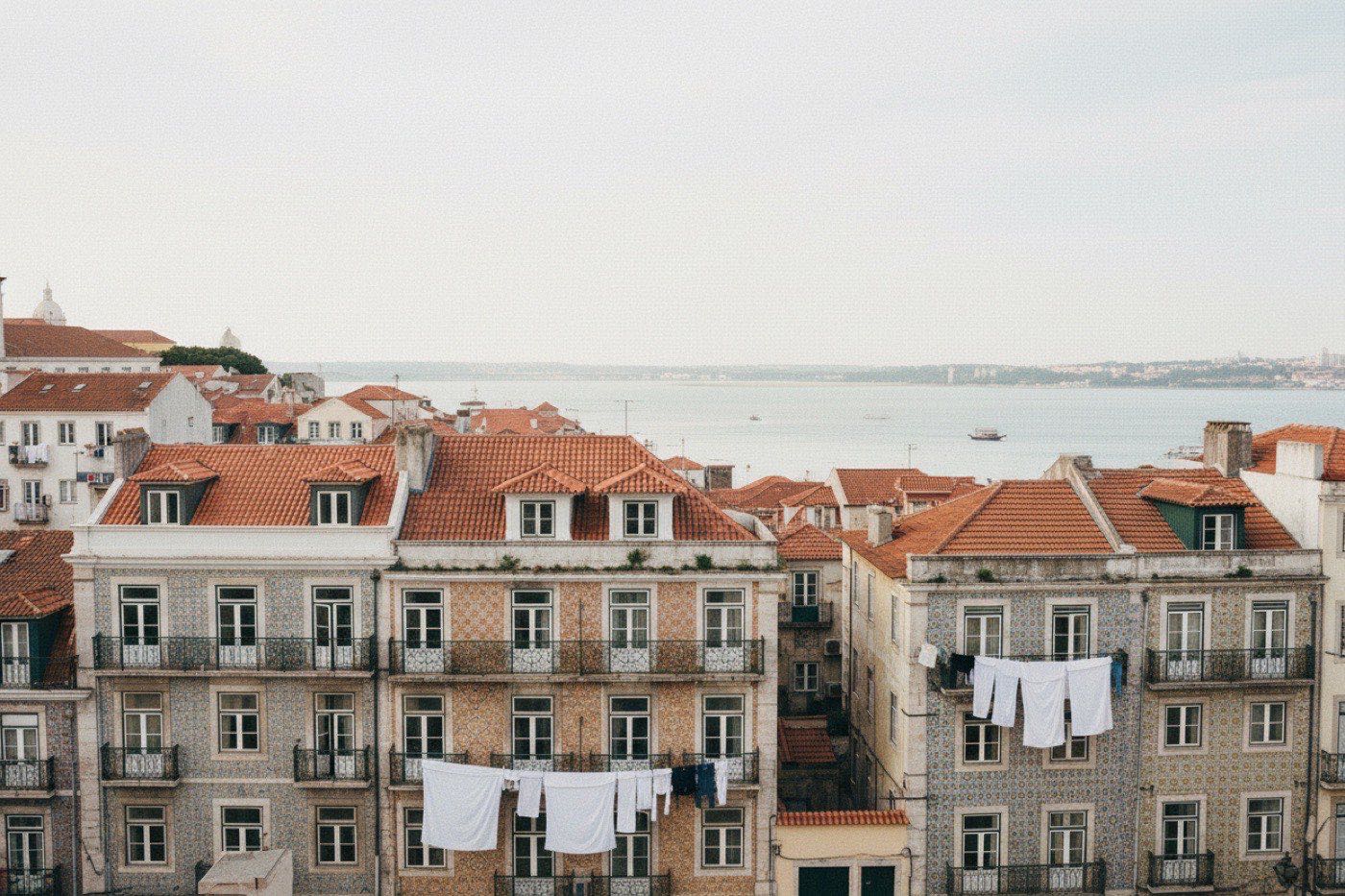
Lisbon, the capital, is a city of hills and light. Trams rattle up steep inclines, their yellow carriages a cheerful contrast to the faded grandeur of tiled facades. The Alfama district, the oldest part of the city, survived the devastating 1755 earthquake and retains its medieval layout: a labyrinth of narrow streets where laundry hangs overhead and the sound of fado drifts from tavern doorways. This traditional music, with its mournful melodies and poetic lyrics, captures something essential about the Portuguese soul.
The city's relationship with the Tagus River defines its character. The waterfront has been transformed in recent decades, with the Belém district showcasing Portugal's Age of Discovery through monuments like the Tower of Belém and the Jerónimos Monastery, both masterpieces of Manueline architecture with their intricate stone carvings evoking maritime themes. Here, too, is the original Pastéis de Belém bakery, where custard tarts have been made to a secret recipe since 1837.
Porto, Portugal's second city, sits at the mouth of the Douro River, its historic center a UNESCO World Heritage site of narrow streets and baroque churches. The city gave its name to port wine, and the lodges across the river in Vila Nova de Gaia offer tastings of this fortified wine that has been produced here for centuries. The Douro Valley itself, where the grapes grow on terraced hillsides, is one of the world's most beautiful wine regions, best explored by boat or the scenic railway that follows the river's curves.
The Algarve, Portugal's southern coast, offers a different experience: dramatic cliffs, hidden beaches, and fishing villages that have become resort towns without entirely losing their character. The western coast, facing the full force of the Atlantic, attracts surfers to breaks like Nazaré, where winter waves can reach record-breaking heights. Inland, the Alentejo region stretches in golden plains dotted with cork oaks and whitewashed villages, a landscape of agricultural tradition and slow-paced life.
Portuguese cuisine is humble and hearty, built on salt cod (bacalhau), fresh seafood, and simple preparations that let ingredients speak for themselves. A bowl of caldo verde, the traditional kale and potato soup, or a plate of grilled sardines eaten with your hands at a neighborhood tasca—these are the flavors that define Portuguese eating. The country's wines, from crisp Vinho Verde to robust Douro reds, deserve far more international recognition than they receive.