Food & Drink
Following the Mezcal Trail in Oaxaca
18 May 2026
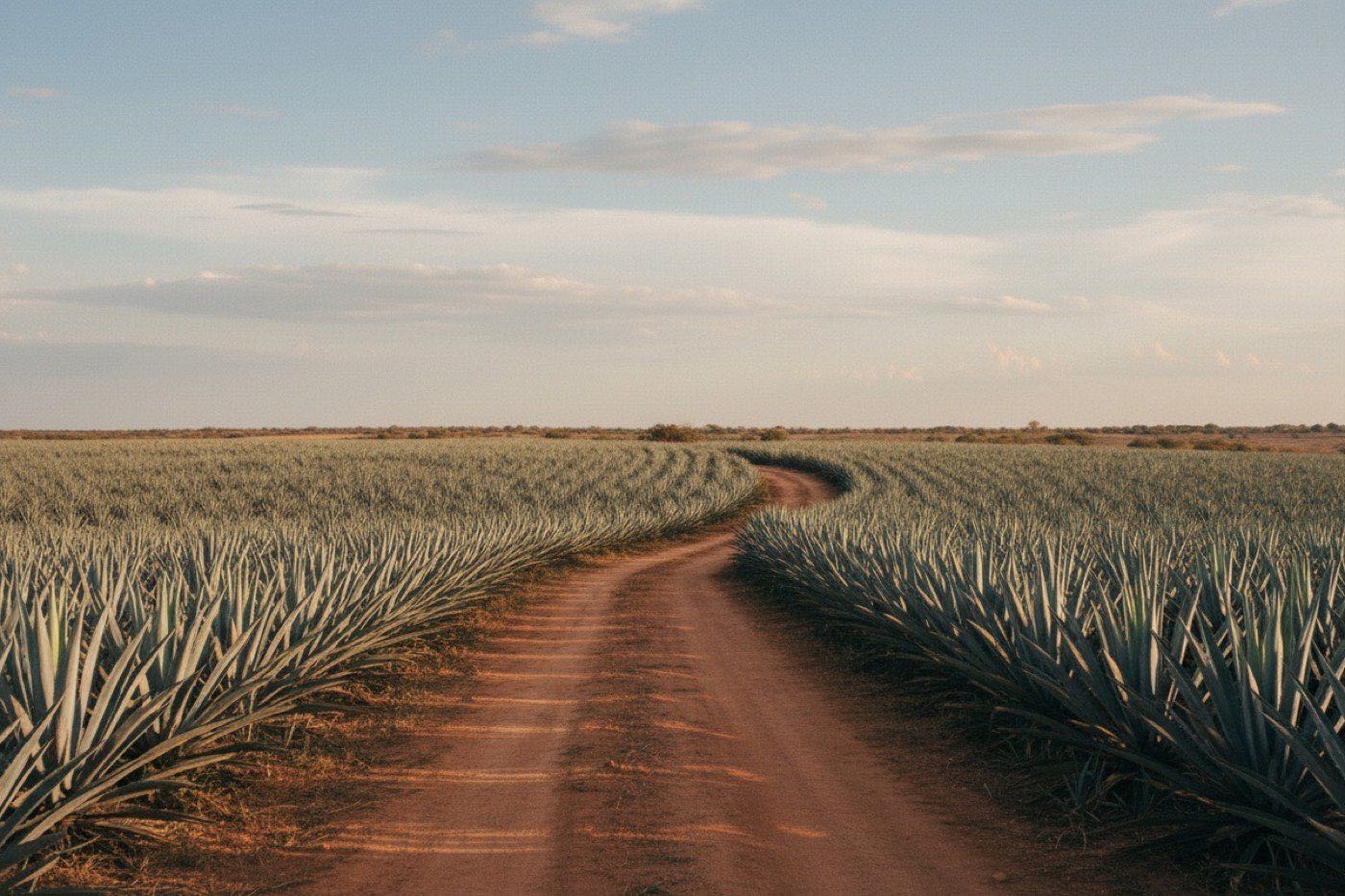
Mezcal is not tequila. That's the first thing you learn in Oaxaca. The second is that it's not one thing at all—it's hundreds of things, depending on the agave, the village, the family, and the palenquero who makes it.
I spent a week visiting palenques, the small distilleries scattered through the valleys around Oaxaca City. Some were easy to reach, just off the highway. Others required a truck, a local guide, and a willingness to get lost.
At each one, the process was the same but different. Agave hearts roasted in earthen pits. Crushed by a stone wheel pulled by a horse. Fermented in wooden vats. Distilled in clay or copper stills. The details varied, but the care was constant.
The best mezcal I tasted came from a palenque near Santiago Matatlán, made by a man whose grandfather had taught him the craft. He poured me a sample from a clay jug, no label, no ceremony. It tasted like smoke and earth and something I couldn't name.
We sat in the shade and talked—him in Spanish, me in broken Spanish and gestures—about agave varieties, harvest timing, and why the big brands were buying up land. He didn't seem angry, just resigned. 'The world wants mezcal now,' he said. 'But they don't want to wait seven years for the agave to grow.'
If you go, hire a guide who knows the families. Don't just visit the tourist palenques on the highway. Bring cash—most places don't take cards. And drink slowly. Good mezcal is meant to be sipped, not shot.